Scottish and northern English patronymic from Ander(s), a northern Middle English form of Andrew, plus -son. Common in Scotland because Saint Andrew is its patron saint; recorded there in the 14th century as Fitz Andreu. In North America it also absorbed Scandinavian Andersson and Andersen. Andrew comes from Greek Andreas, from aner 'man'.
Spellings and related forms: Andersen, Andersson, Anderssen, Andrews, Andrewson, MacAndrew, Gillanders.
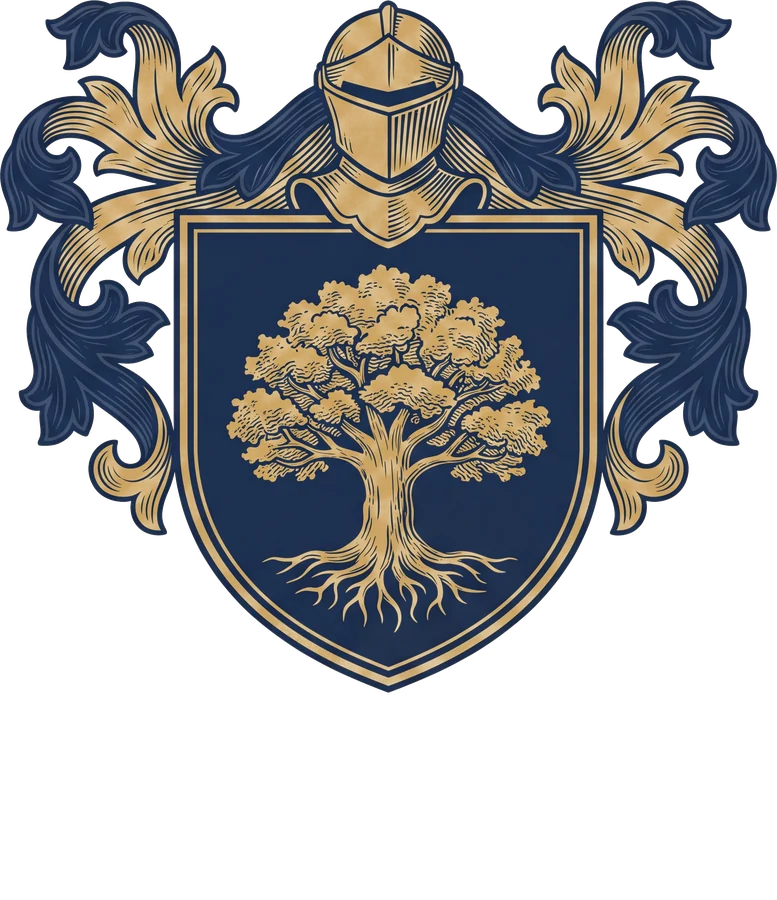
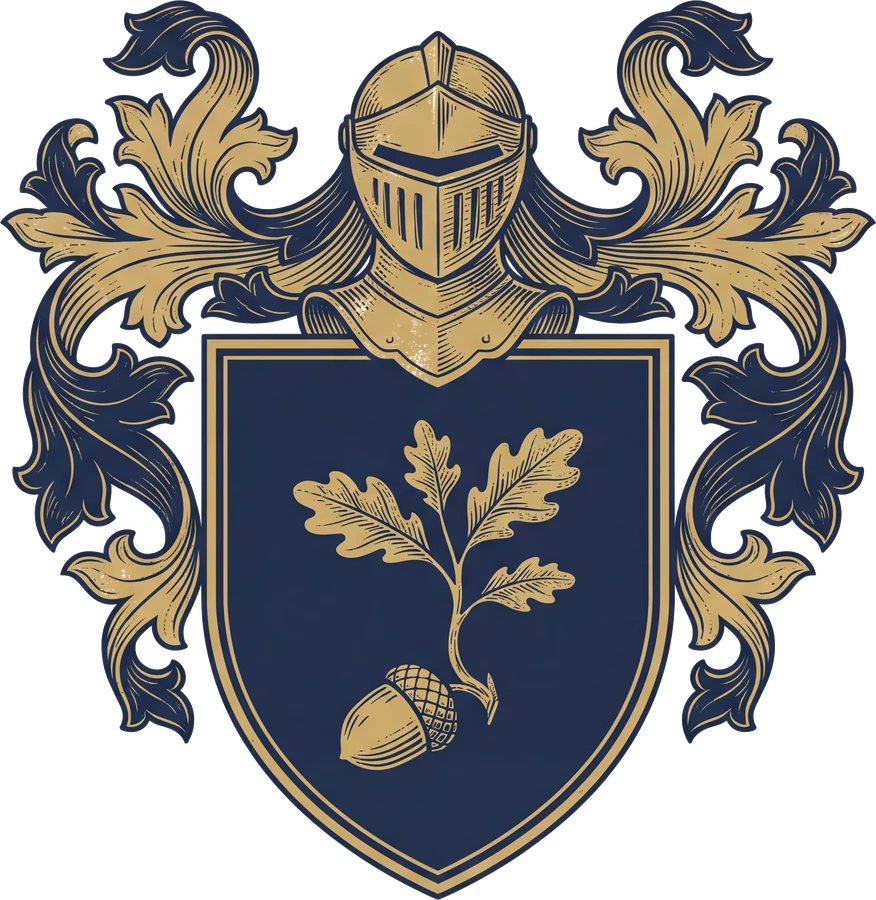
Anderson means "son of Andrew", and Andrew comes from the Greek for "man, brave". The oak stands for strength.
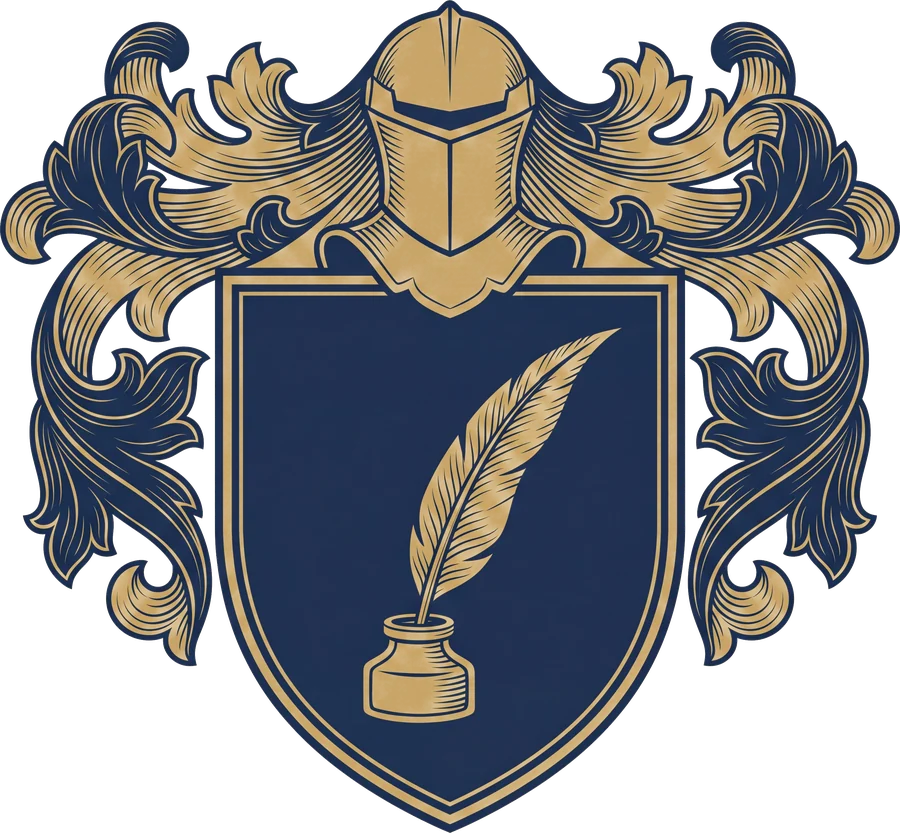
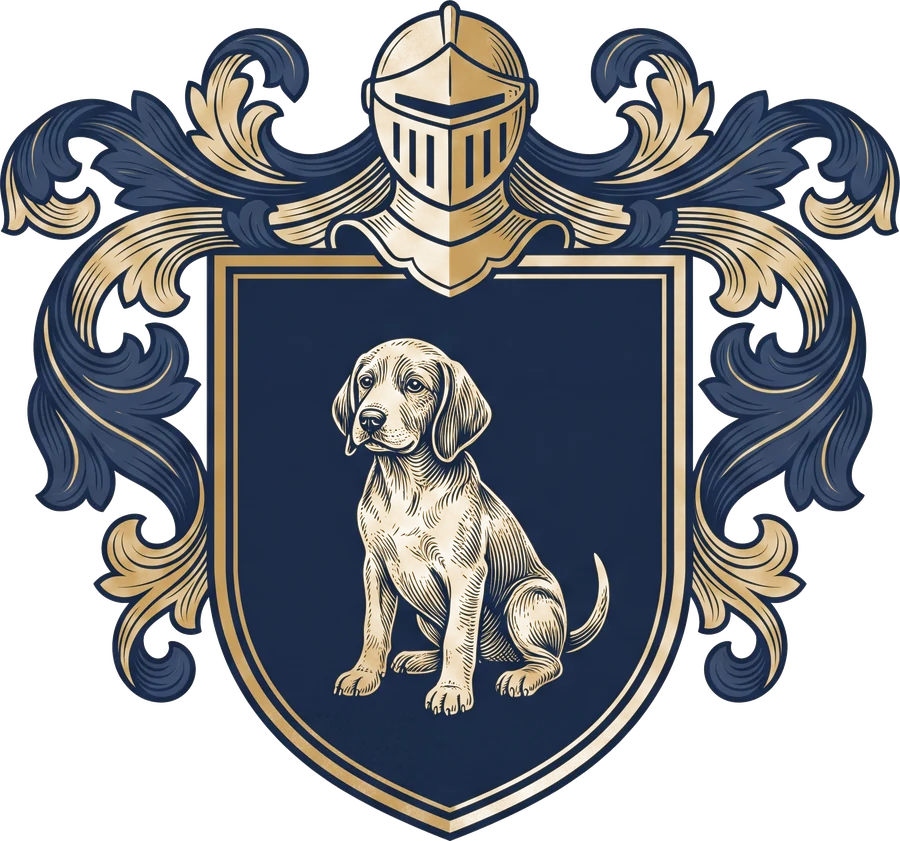
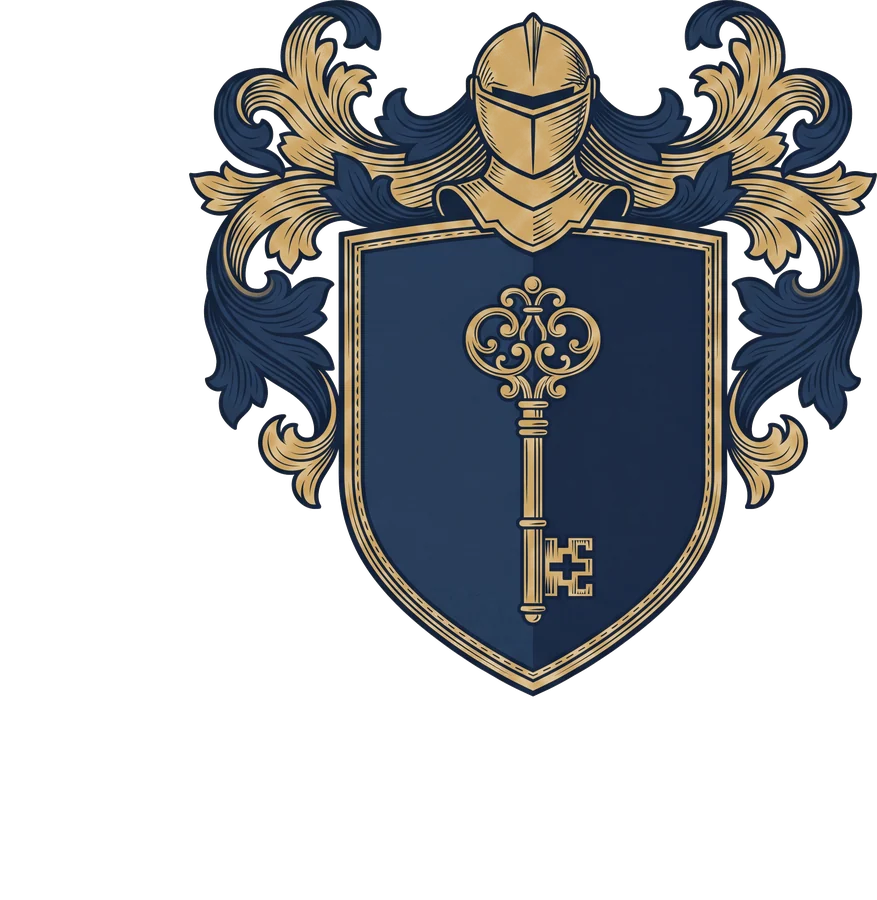
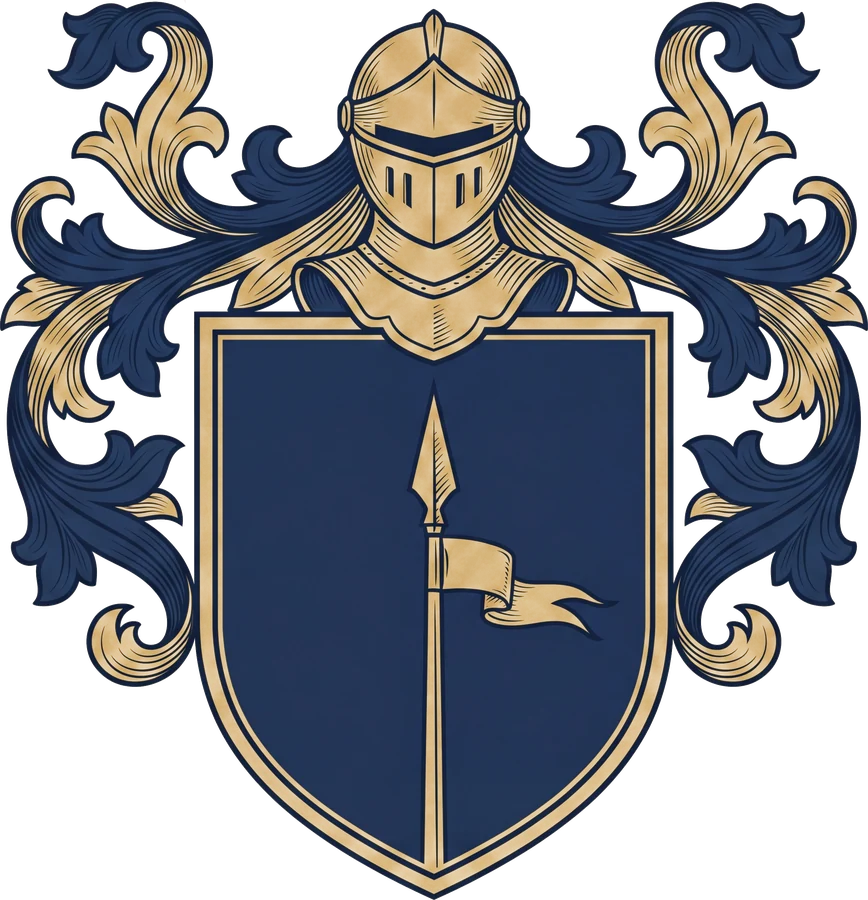
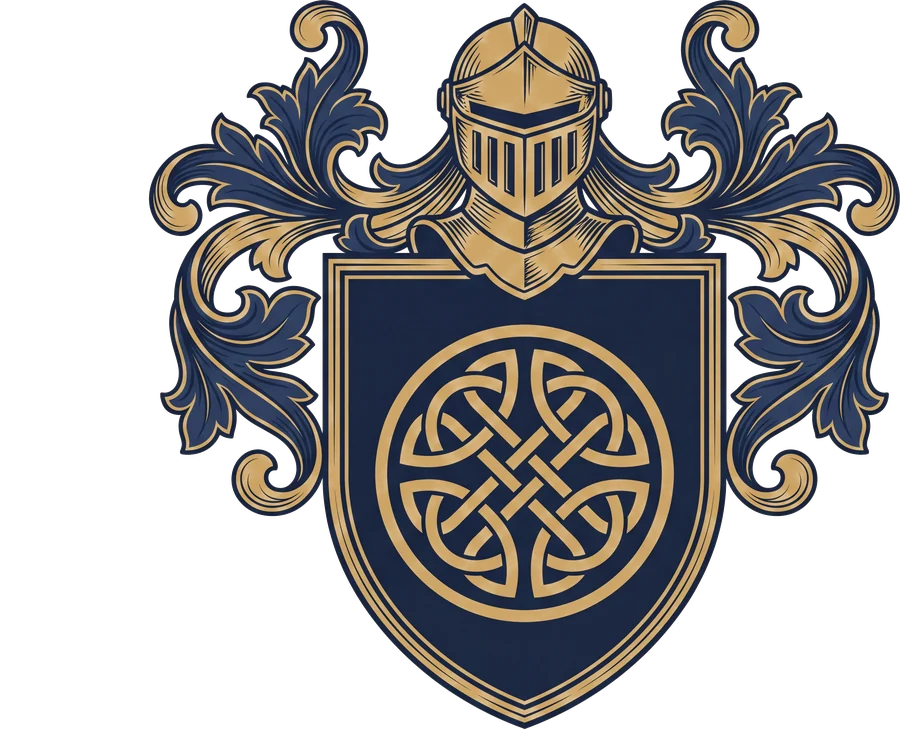
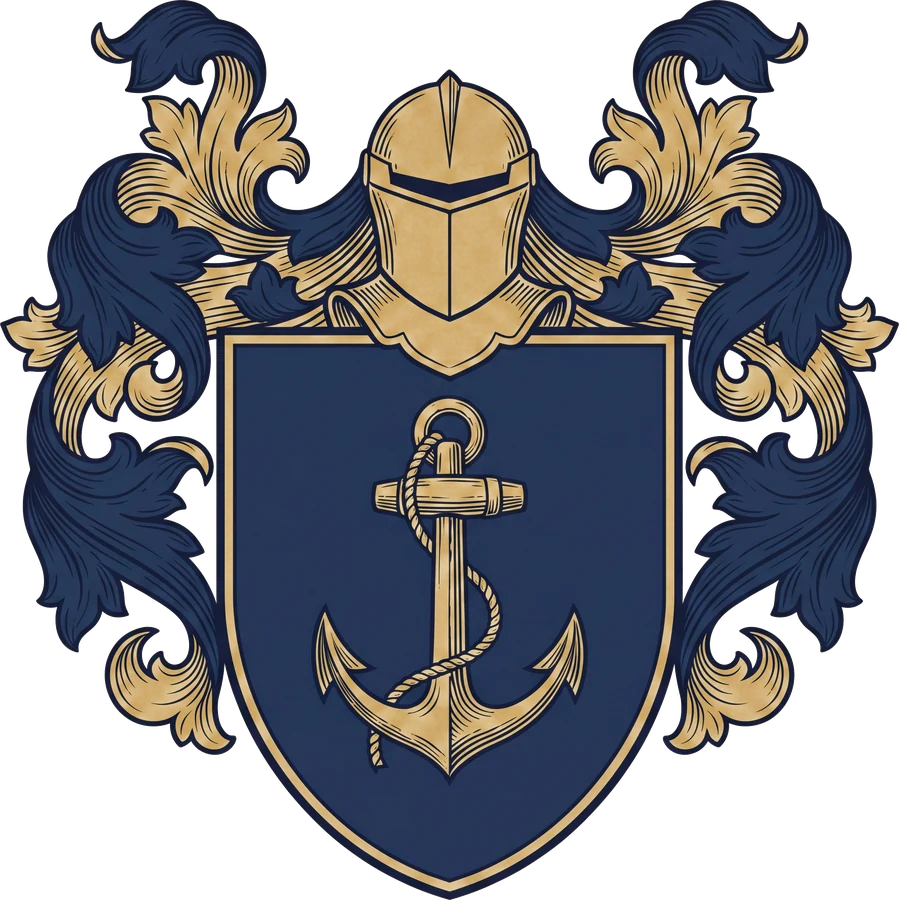
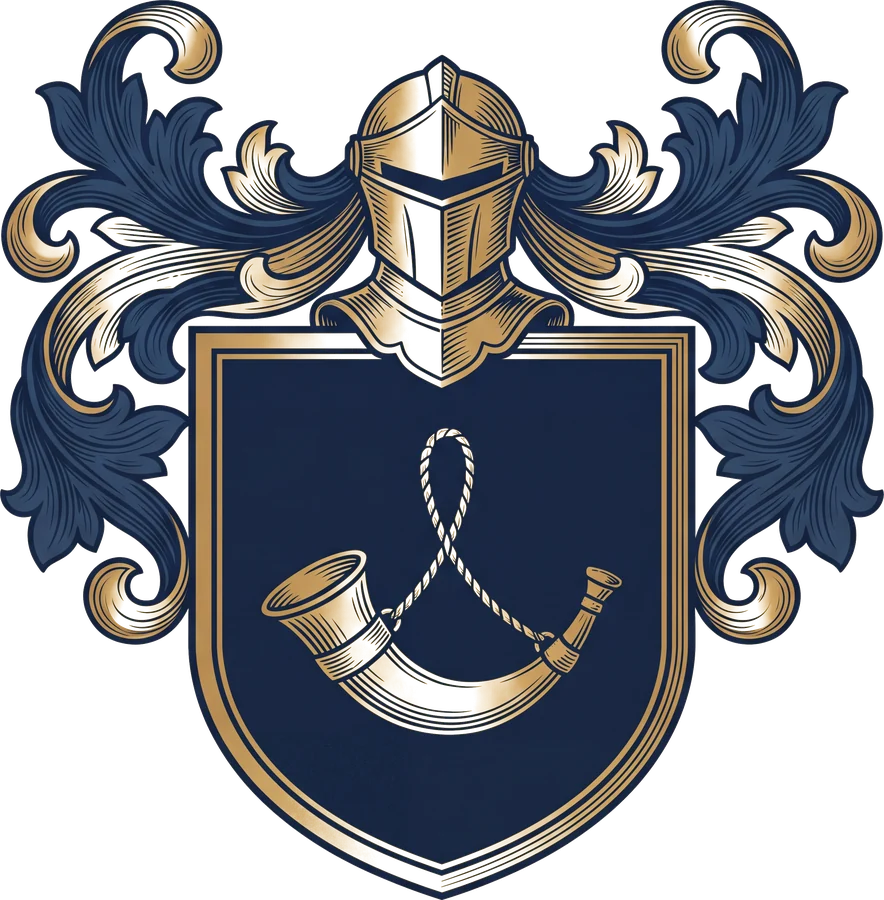
Most surnames have no single "family crest". In heraldry, a coat of arms belonged to one person and passed down one line of descent. Sites that sell "the Anderson coat of arms" usually show the arms of one historic family that shared the name. Ours is different on purpose: an original design built from what the name means, which any Anderson can own honestly.
Blankets: soft velveteen plush (100% polyester), printed on one side; may run up to 3 in. short of the listed size. Rugs: polyester chenille with hemmed edges and a coated backing, for indoor use. Both are printed in the USA (Georgia and North Carolina).
Name meanings come from the sources above, checked 2026-10. Where scholars disagree, we say so.